
Zimbabwean Professors Demand Living Wages After Years of “Slave” Pay
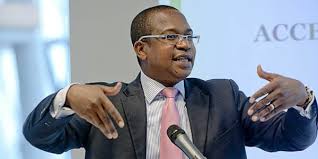
mthuli ncube
Zimbabwean Professors Demand Living Wages After Years of “Slave” Pay
Harare, Zimbabwe – After decades of dedicated service to academia, Zimbabwean professors are breaking their silence, demanding salaries that reflect their expertise and contributions to the nation’s education system. Shockingly, many say their current earnings are no better than those of a slave, forcing them into abject poverty despite holding the highest academic qualifications.
A Lifetime of Study, a Lifetime of Struggle
Professors in Zimbabwe typically spend over 20 years in rigorous study, research, and teaching, only to earn salaries that barely cover basic survival. A senior lecturer at the University of Zimbabwe revealed that their monthly pay is often less than US$200—far below the poverty line in a country where inflation continues to erode purchasing power.
“How can a nation expect excellence from its educators when it pays them like servants?” asked one professor, who requested anonymity for fear of victimization. “We train doctors, engineers, and future leaders, yet we can’t afford to send our own children to school or buy decent food.”
“We Are Not Slaves” – The Growing Outcry
The Academic Staff Union has repeatedly petitioned the government for salary adjustments, but their pleas have been met with delays and empty promises. Inflation, currency instability, and economic mismanagement have left educators—once among the most respected professionals—struggling to survive.
“A university professor should not have to choose between buying medication and feeding their family,” said Dr. T Moyo, an economics lecturer. “If Zimbabwe truly values education, it must start by valuing its educators.”
Brain Drain: The Silent Protest
The dire conditions have triggered a mass exodus of academics to neighboring countries and abroad, where their skills are better rewarded. Universities now face severe staff shortages, with remaining professors overburdened by large classes and unpaid overtime.
“When our best minds leave, who will build the next generation?” lamented a Harare-based education analyst. “Zimbabwe is losing its intellectual capital while those who stay are reduced to beggars.”
Government Response: Empty Promises?
While officials acknowledge the crisis, tangible solutions remain elusive. The Ministry of Higher Education has occasionally adjusted salaries, but these increments are quickly swallowed by inflation. Professors argue that only US dollar-indexed wages or meaningful local currency reforms can end their suffering.
As the standoff continues, Zimbabwe’s education system hangs in the balance. Without urgent intervention, the nation risks losing not only its professors but also the future of its youth.
The Question Remains: If a country fails to pay its educators, can it truly claim to value education?