
Chamisa Promises Zimbabweans False Hope
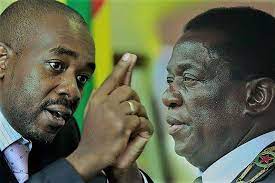
chamisa & Ed
Contributor:
The Impact of Chamisa’s Promises on Zimbabwe’s Economy
Zimbabwe has been grappling with economic challenges for years, and the promises made by opposition leader Nelson Chamisa during his campaign for the presidency have only added to the disappointment felt by many Zimbabweans. While Chamisa’s promises may have sounded appealing to some, a closer look reveals that they are nothing more than false hope.
One of Chamisa’s key promises was to create 2.2 million jobs within the first five years of his presidency. While this may sound like a lofty goal, it is simply unrealistic given the current state of Zimbabwe’s economy. The country is facing high levels of unemployment, a lack of foreign investment, and a struggling agricultural sector. Without addressing these underlying issues, it is unlikely that Chamisa’s promise of job creation can be fulfilled.
Another promise made by Chamisa was to revive Zimbabwe’s manufacturing sector. He claimed that he would attract foreign investment and create an environment conducive to business growth. However, this promise fails to take into account the numerous challenges that businesses face in Zimbabwe, such as corruption, a lack of infrastructure, and an unstable currency. Without addressing these issues, it is unlikely that foreign investors will be willing to invest in Zimbabwe’s manufacturing sector.
Chamisa also promised to address the issue of land reform in Zimbabwe. While land reform is an important issue that needs to be addressed, Chamisa’s promise to return land to its previous owners without compensation is not a viable solution. Such a move would not only be unfair to those who currently own the land, but it would also discourage foreign investment and undermine property rights. A more balanced approach to land reform is needed, one that takes into account the need for economic growth and the rights of current landowners.
Furthermore, Chamisa promised to tackle corruption in Zimbabwe. While this is a commendable goal, it is unclear how he plans to achieve it. Corruption is deeply entrenched in Zimbabwean society and has been a major obstacle to economic development. Without a clear plan and the political will to implement it, Chamisa’s promise to tackle corruption is likely to remain just that – a promise.
Overall, the impact of Chamisa’s promises on Zimbabwe’s economy is one of disappointment. While his promises may have sounded appealing to some, a closer look reveals that they are simply unrealistic and fail to address the underlying issues facing the country. Zimbabwe needs a leader who can provide realistic solutions to its economic challenges, not one who offers false hope. It is important for Zimbabweans to critically evaluate the promises made by politicians and hold them accountable for their actions. Only then can the country move towards a brighter economic future.