
BREAKING: IS UNITED STATES BURNING?
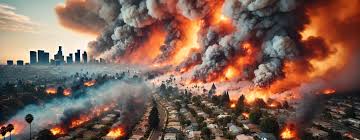
The Devastating Reality of California Wildfires
The Increasing Frequency and Intensity of Wildfires
REPORT | California is no stranger to wildfires. Over the past decade, the state has faced an alarming rise in the frequency and severity of these fires. In 2020 alone, wildfires burned approximately 4.3 million acres, causing billions in damages. The economic impact of wildfires extends beyond immediate losses; it includes costs related to air quality, health care, and emergency services. Climate change fuels this crisis, as rising temperatures and prolonged droughts create conditions ripe for wildfires.
Human Causes vs. Natural Causes of Wildfires
Human activities account for about 85% of wildfires in California, with common causes including campfires, discarded cigarettes, and electrical malfunctions. Natural events, like lightning strikes, contribute to the rest. The combination of human error and dry vegetation, often exacerbated by drought, creates a perfect storm for wildfires. For instance, the 2018 Camp Fire was sparked by electrical transmission lines and resulted in devastating losses.
The Impact on Communities and the Environment
The devastation caused by wildfires affects both lives and landscapes. Thousands of homes have been destroyed, with the 2020 SCU Lightning Complex fire displacing over 4,000 residents. Environmental effects are equally concerning. Soil erosion can result from burned land, contributing to landslides and water pollution. The air quality often plummets, leading to health issues in communities near affected areas.
Understanding Wildfire Risk Factors
Geographic Areas Most Prone to Wildfires
Certain regions of California are more susceptible to wildfires. Counties like Los Angeles, Sonoma, and Napa consistently experience intense fire activity. Factors such as dry climates, dense vegetation, and challenging topography elevate wildfire risks. A map of high-risk areas reveals that many communities are often on the frontline of these deadly fires.
Weather Patterns and Wildfire Season
California’s wildfire season typically peaks from May to October. Santa Ana winds, known for their ability to rapidly spread flames, can push wildfires into new areas. High temperatures and low humidity levels significantly increase fire risk, requiring residents to remain vigilant as conditions fluctuate throughout the season.
Preparing for Wildfire Season: A Proactive Approach
Creating a Home Defense Plan
Protecting your home starts with creating a defensible space. Aim for at least a 30-foot buffer zone free from flammable materials. Consider using fire-resistant landscaping, such as native plants. Regular maintenance, including clearing gutters and trimming trees, is essential for minimizing risks.
Essential Emergency Preparedness Checklist
- Go-bag items: Water, food, first aid kit, flashlight, batteries, clothing.
- Evacuation plan: Identify escape routes and safe locations.
- Document safety: Keep copies of essential documents in a waterproof container.
Utilizing Early Warning Systems
Several alert systems, like Nixle and AlertCalifornia, provide real-time updates about wildfire threats. Staying informed can make a critical difference. When a wildfire warning is issued, take immediate action: evacuate promptly and follow local authorities’ instructions.
The Role of Government Agencies and Firefighters
Cal Fire’s Responsibilities and Resources
Cal Fire plays a vital role in preventing and suppressing wildfires. They deploy crews and equipment to fight blazes and provide public educational resources. Victims can access support services for recovery efforts, ensuring communities can rebuild stronger.
Community Involvement in Wildfire Prevention
Community engagement is crucial in wildfire prevention. Programs like Fire Safe Councils encourage local action to reduce risks. Individuals can participate in neighborhood readiness drills and support local cleanup efforts to mitigate fire hazards.
Funding and Policy Initiatives
Government funding for wildfire prevention is essential. Programs at both state and federal levels aim to improve response strategies and enhance community readiness. Analyzing the effectiveness of these policies helps determine where adjustments are needed.
Recovering from a Wildfire: The Long Road Ahead
Immediate Actions After a Wildfire
After an evacuation, prioritize safety. Wait for authorities to declare areas safe before returning. Assess damage carefully and secure your property against potential risks, like looting.
Long-Term Recovery Efforts
Wildfire survivors face many challenges, including property loss and trauma. Recovery services help rebuild homes and offer resources for mental health support. It’s important to seek help and connect with local organizations aimed at recovery.
Conclusion: Building a More Resilient Future
Preparedness is key to surviving wildfires in California. Understanding risks, creating plans, and staying informed empowers individuals and communities. Responsible land management and active community involvement are essential. Every action contributes to a safer, more resilient future against wildfires. Take the steps today to ensure tomorrow’s safety.