
Mnangagwa third term bid goes up in smoke
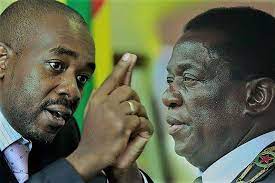
chamisa & Ed
The Controversy Surrounding Mnangagwa’s Third Term Bid
The controversy surrounding President Emmerson Mnangagwa’s third term bid has reached a boiling point, as his hopes for extending his rule have gone up in smoke. This contentious issue has sparked heated debates and divided opinions among Zimbabweans, with many questioning the legality and morality of such a move.
Mnangagwa, who assumed power in 2017 following the ousting of long-time ruler Robert Mugabe, has been facing mounting pressure from opposition parties and civil society groups to step down at the end of his current term. However, he has been adamant about seeking re-election, citing the need for stability and continuity in the country’s leadership.
Critics argue that Mnangagwa’s bid for a third term is a clear violation of the country’s constitution, which limits the president to two terms in office. They argue that this move undermines the principles of democracy and sets a dangerous precedent for future leaders who may seek to cling to power indefinitely.
Supporters of Mnangagwa, on the other hand, argue that he has brought about some positive changes during his tenure and deserves a chance to continue his work. They point to his efforts to revive the economy, attract foreign investment, and improve infrastructure as evidence of his commitment to the country’s development.
However, these arguments have failed to convince many Zimbabweans who are disillusioned with the current state of affairs. They argue that Mnangagwa’s administration has failed to address the deep-rooted issues of corruption, human rights abuses, and political repression that have plagued the country for decades.
The controversy surrounding Mnangagwa’s third term bid has also raised concerns among regional and international observers. The Southern African Development Community (SADC) and the African Union (AU) have both expressed their reservations about any attempts to circumvent constitutional term limits.
The international community has also been closely monitoring the situation, with several countries issuing statements urging Mnangagwa to respect the rule of law and democratic principles. They have warned that any attempts to manipulate the constitution for personal gain could have serious consequences for Zimbabwe’s standing in the international community.
In response to the growing pressure, Mnangagwa’s government has attempted to justify his third term bid by arguing that it is necessary to ensure stability and avoid a power vacuum. They claim that the country is still in a fragile state and needs strong leadership to navigate the challenges ahead.
However, these justifications have been met with skepticism and outright rejection by many Zimbabweans. They argue that true stability can only be achieved through genuine democratic processes and respect for the rule of law.
As the controversy surrounding Mnangagwa’s third term bid continues to escalate, it remains to be seen how the situation will unfold. The opposition parties and civil society groups are vowing to fight against any attempts to subvert the constitution, while Mnangagwa’s supporters remain steadfast in their belief that he is the right leader for the country.
Ultimately, the fate of Mnangagwa’s third term bid will be decided by the people of Zimbabwe and their commitment to upholding democratic principles. The outcome of this controversy will not only shape the future of the country but also send a powerful message about the importance of constitutionalism and the rule of law in Africa and beyond.
Public Opinion on Mnangagwa’s Bid for Re-election
Mnangagwa third term bid goes up in smoke
Public Opinion on Mnangagwa’s Bid for Re-election
Zimbabwean President Emmerson Mnangagwa’s hopes for a third term in office have been dashed as public opinion turns against him. The once-popular leader, who took over from long-time ruler Robert Mugabe in 2017, has seen his support dwindle in recent years. This article will explore the reasons behind this shift in public sentiment and the implications it may have for Zimbabwe’s political landscape.
One of the key factors contributing to Mnangagwa’s declining popularity is the country’s struggling economy. Despite promises of reform and revitalization, Zimbabwe continues to face high unemployment rates, soaring inflation, and a lack of foreign investment. Many citizens feel that Mnangagwa has failed to deliver on his economic promises, leading to widespread disillusionment and frustration.
Furthermore, Mnangagwa’s government has been accused of human rights abuses and a crackdown on political dissent. The violent suppression of protests and the arrest of opposition figures have raised concerns about the erosion of democratic principles in Zimbabwe. These actions have not gone unnoticed by the international community, with several countries expressing their disapproval and imposing sanctions on key government officials.
In addition to economic and human rights concerns, Mnangagwa’s handling of the COVID-19 pandemic has also come under scrutiny. The government’s response to the crisis has been criticized for its lack of transparency and inadequate healthcare infrastructure. Many Zimbabweans feel that their leader has prioritized political interests over the well-being of the population, further eroding trust and support.
As public sentiment turns against Mnangagwa, opposition parties have seized the opportunity to gain momentum. The main opposition party, the Movement for Democratic Change (MDC), has been vocal in its criticism of the president and his government. They have capitalized on the growing discontent among the population, promising a fresh start and a return to democratic values.
However, it is important to note that not all Zimbabweans are opposed to Mnangagwa’s bid for re-election. There are still pockets of support for the president, particularly among rural communities who appreciate his efforts to redistribute land and empower local farmers. These supporters argue that Mnangagwa needs more time to implement his policies and bring about meaningful change.
Nevertheless, the overall shift in public opinion poses a significant challenge for Mnangagwa’s political future. With the next presidential election scheduled for 2023, the president will need to work hard to regain the trust and support of the electorate. This will require concrete actions to address the country’s economic woes, restore democratic principles, and improve the healthcare system.
The outcome of the upcoming election will have far-reaching implications for Zimbabwe’s political landscape. If Mnangagwa fails to secure re-election, it could pave the way for a new era of governance and potentially open the door for much-needed reforms. On the other hand, if he manages to hold onto power, it may further entrench the current regime and deepen the divisions within the country.
In conclusion, public opinion on Mnangagwa’s bid for re-election has shifted dramatically in recent years. Economic struggles, human rights concerns, and a mishandled pandemic response have all contributed to the decline in support for the president. As opposition parties gain momentum, Mnangagwa faces an uphill battle to regain the trust and support of the electorate. The outcome of the next election will undoubtedly shape Zimbabwe’s political future.
The Implications of Mnangagwa’s Failed Third Term Attempt
The recent failure of President Emmerson Mnangagwa’s bid for a third term in office has significant implications for Zimbabwe’s political landscape. Mnangagwa, who assumed power in 2017 following the ousting of long-time ruler Robert Mugabe, had been widely expected to secure another term. However, his defeat in the ruling party’s primary elections has not only dashed his hopes for an extended presidency but also raised questions about the future of Zimbabwe’s political system.
One immediate consequence of Mnangagwa’s failed third term attempt is the emergence of a potential power vacuum within the ruling ZANU-PF party. With the president’s authority now weakened, factions within the party are likely to vie for control, leading to increased infighting and instability. This internal power struggle could further undermine the party’s ability to govern effectively and address the pressing economic and social challenges facing the country.
Moreover, Mnangagwa’s defeat sends a clear message to the opposition parties and civil society groups that the ruling party is not invincible. For years, ZANU-PF has maintained a firm grip on power, often resorting to intimidation and violence to suppress dissent. However, the president’s failure to secure a third term demonstrates that the electorate is becoming increasingly disillusioned with the ruling party’s leadership and policies. This could embolden opposition parties and civil society organizations to mobilize and challenge the status quo, potentially leading to a more vibrant and competitive political landscape in Zimbabwe.
Another implication of Mnangagwa’s failed third term bid is the potential for a shift in regional and international relations. During his tenure, Mnangagwa had sought to improve Zimbabwe’s standing on the global stage, particularly with Western countries and international financial institutions. However, his failure to secure another term could undermine these efforts and lead to a reevaluation of foreign policy priorities. It remains to be seen whether the next leader of Zimbabwe will continue Mnangagwa’s engagement with the international community or adopt a more isolationist approach.
Furthermore, the president’s defeat raises questions about the future of democracy in Zimbabwe. While the country has made some progress in recent years, including the peaceful transition of power from Mugabe to Mnangagwa, the ruling party’s dominance and the lack of a level playing field during elections have raised concerns about the integrity of the democratic process. Mnangagwa’s failed third term bid highlights the need for electoral reforms and a more inclusive political system that allows for genuine competition and the peaceful transfer of power.
In conclusion, President Mnangagwa’s failure to secure a third term in office has far-reaching implications for Zimbabwe’s political landscape. The emergence of a potential power vacuum within the ruling party, increased opposition mobilization, potential shifts in regional and international relations, and the need for democratic reforms are just some of the consequences of this significant development. As Zimbabwe navigates this new political reality, it is crucial for all stakeholders, both domestic and international, to closely monitor the situation and support efforts to strengthen democracy and promote stability in the country.