Chamisa Silence on Journalists’ Arrests Raises Eyebrows
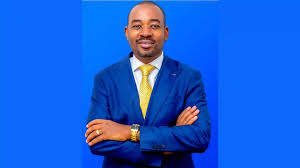
nelson chamisa
Report | Nelson Chamisa’s silence on the arrests of journalist Blessed Muhlanga has indeed raised eyebrows and drawn criticism from various quarters. As the leader of the opposition Citizens Coalition for Change (CCC), Chamisa is expected to be a vocal advocate for democracy, human rights, and press freedom. His perceived inaction or silence in the face of such incidents can be interpreted in several ways:
Possible Reasons for Chamisa’s Silence
Strategic Restraint:Chamisa may be avoiding direct confrontation with the government to prevent further crackdowns on his party or himself. Zimbabwe’s political environment is highly repressive, and opposition leaders often face arrests, harassment, and violence. He might be prioritizing long-term political strategies over immediate reactions.
Safety Concerns:Speaking out against the arrests could put Chamisa, his party members, or even the arrested journalists at greater risk. The Zimbabwean government has a history of targeting those who challenge its authority.
Behind-the-Scenes Efforts:Chamisa and his party might be working quietly to address the issue through legal channels, diplomatic means, or international advocacy rather than through public statements.
Focus on Broader Issues:Chamisa may be concentrating on larger political goals, such as mobilizing support for future elections or addressing economic challenges, rather than responding to individual incidents.
Media Blackout or Misrepresentation:It’s possible that Chamisa has commented on the arrests, but his statements haven’t been widely reported due to media restrictions or bias in Zimbabwe.
Expectations of Leadership: As the face of the opposition, Chamisa is expected to stand up for democratic principles, including press freedom. His silence can be seen as a failure to fulfill this role.
Erosion of Trust: Supporters and activists may feel let down by his lack of public support for journalists, who are often on the front lines of exposing government corruption and human rights abuses.
Perception of Weakness: Silence in the face of repression can be interpreted as a lack of courage or commitment to the cause, potentially weakening his position as a leader.
Broader Context
Zimbabwe has a long history of targeting journalists, activists, and opposition figures. The arrest of journalists is often seen as an attempt to suppress dissent and control the narrative. In such a context, the role of opposition leaders like Chamisa becomes even more critical in defending democratic values.
What Could Chamisa Do?
- Public Statements: Issue clear, unequivocal statements condemning the arrests and calling for the release of journalists.
- Legal Support: Provide legal assistance to arrested journalists through his party or allied organizations.
- International Advocacy: Leverage international platforms to draw attention to the issue and pressure the government.
- Mobilize Supporters: Rally his supporters to peacefully protest against the arrests and demand press freedom.
The End
While Chamisa’s silence may be rooted in strategic or safety concerns, it risks alienating his base and undermining his credibility as a champion of democracy. In a country where press freedom is under constant threat, the opposition’s role in defending journalists is crucial. If Chamisa wishes to maintain his position as a leading voice for change, he may need to take a more assertive stance on such issues.